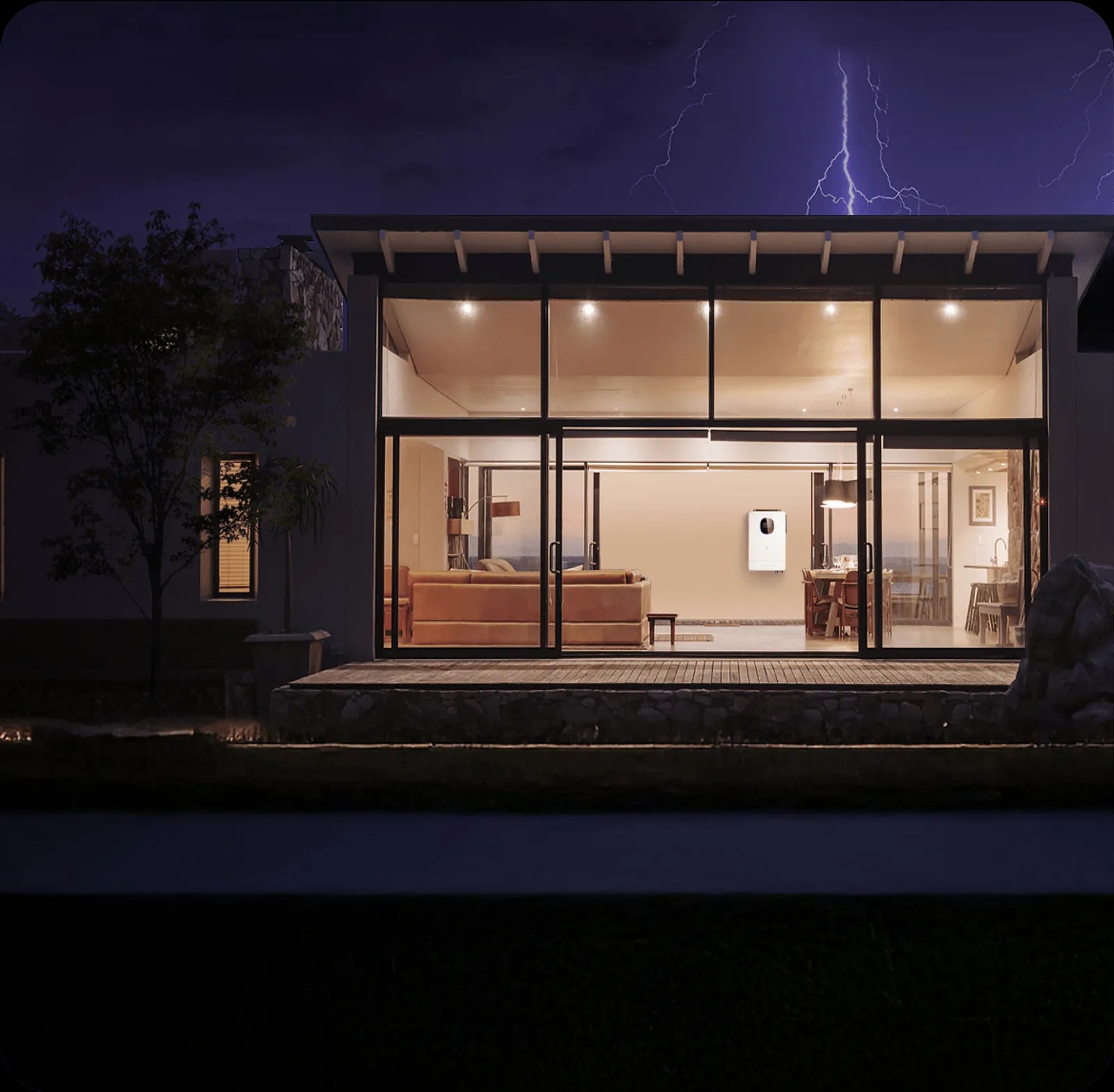
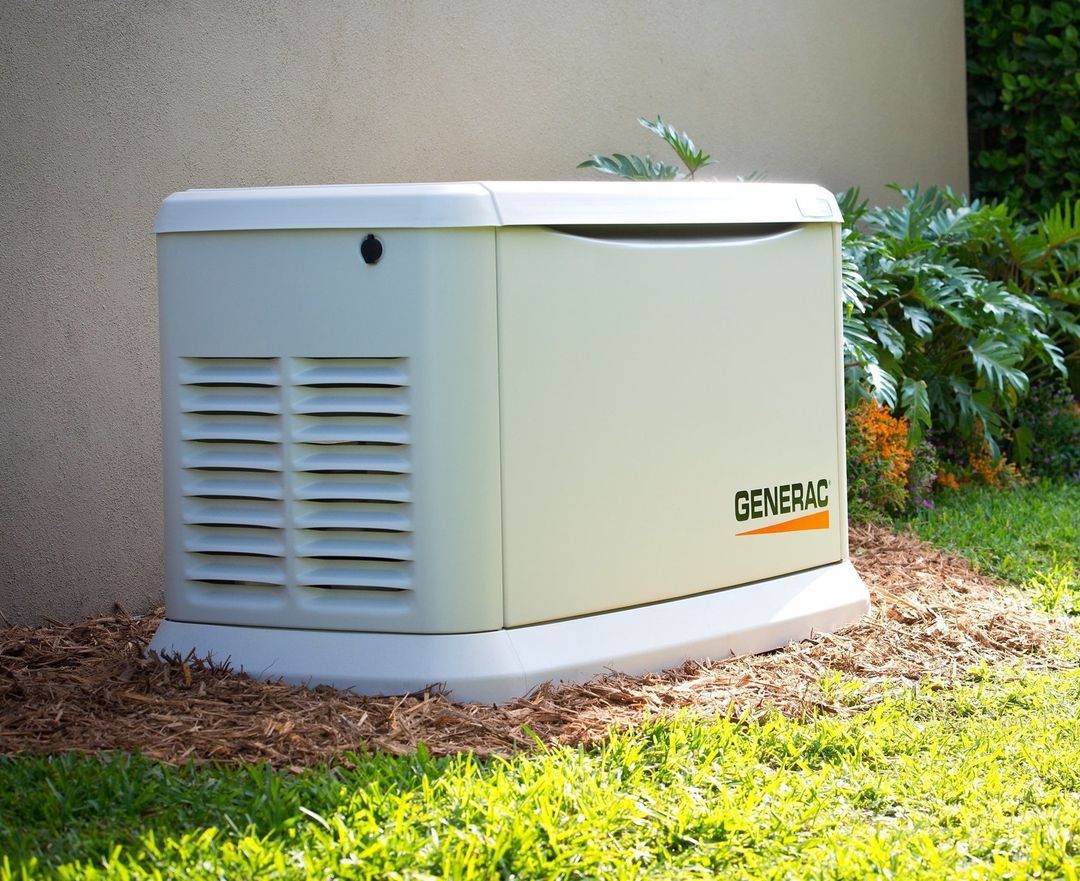
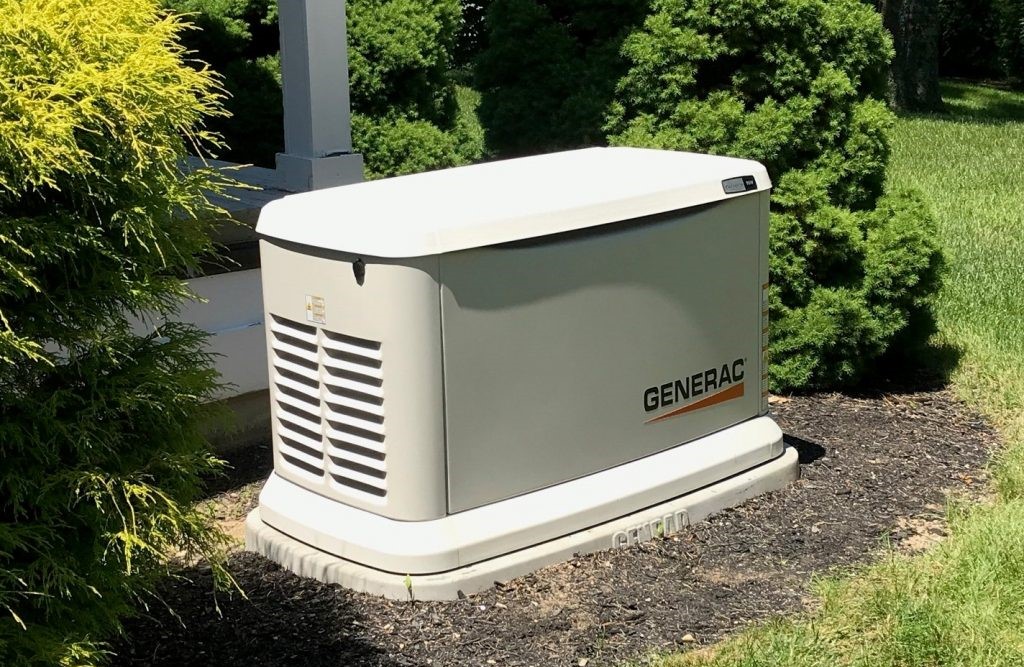
Power outages during Florida's hurricane season can leave apartment and condo residents feeling vulnerable and unprepared. Unlike single-family homeowners who can install whole-house systems, multi-unit residents must navigate strict building codes, limited space, and safety regulations that make backup power seem impossible. When the lights go out and your refrigerator stops running, you need solutions that work within the constraints of apartment living while keeping your family safe and comfortable.
The challenge intensifies because traditional backup power solutions designed for single-family homes simply don't translate to multi-unit environments. Space constraints, fuel storage restrictions, and proximity to neighbors create safety and legal obstacles that require specialized approaches and professional guidance.
Florida's unique climate and aging infrastructure make power outages a regular concern rather than a rare emergency. According to the U.S. Energy Information Administration, weather-related outages have increased significantly over the past decade, with Florida experiencing some of the nation's longest average restoration times during hurricane season.
Apartment and condo residents face distinct disadvantages during these outages. While building management typically maintains emergency generators for common areas like hallways and elevators, individual units rarely receive backup power. This leaves residents without access to refrigeration, climate control, medical equipment power, or communication devices precisely when these resources become most critical. Understanding your home generator options helps you prepare for these inevitable situations and explore solutions appropriate for your living arrangement.
Gas-powered and propane generators produce carbon monoxide, a colorless and odorless gas that can reach lethal concentrations within minutes in enclosed spaces. Operating these units on balconies, in hallways, or near windows creates immediate danger not just for your unit but for neighboring residents as well. The confined nature of apartment buildings means fumes can easily infiltrate multiple units through shared ventilation systems or open windows.
Beyond the safety hazards, fuel-powered generators create noise pollution that violates most building policies. These units typically operate at 70-80 decibels, similar to a vacuum cleaner or busy street, creating constant disturbance unsuitable for close-quarters apartment living. This level of disturbance makes them unsuitable for the close quarters of apartment living, where maintaining good neighbor relations and following community rules is essential.
Condo associations and apartment management companies typically maintain strict policies specifically prohibiting fuel-powered generators. These restrictions exist for legitimate safety reasons and are often reinforced by local fire codes and insurance requirements. Violating these policies can result in lease termination, fines, or legal liability if accidents occur.
Many buildings require written approval before installing any power generation equipment. Always check with building management before purchasing to ensure compliance with community guidelines. Attempting to circumvent these rules puts your safety, your neighbors' safety, and your housing situation at risk.
Rather than attempting to install unauthorized equipment that violates building policies, apartment residents should explore approved alternatives that provide meaningful backup power. The key is identifying solutions that building management will permit while still meeting your essential power needs during outages.
Start by assessing your actual power requirements during an outage. Most residents need to maintain refrigeration, charge communication devices, power medical equipment, and run a few lights. This represents a fraction of total household power consumption and can often be addressed through approved battery backup systems when used strategically.
For residents exploring comprehensive backup solutions, reviewing available generator models reveals options that become available when transitioning to single-family housing where permanent installations are feasible.
The most successful approach to securing backup power in apartments involves transparent communication with building management. Rather than installing equipment and hoping it goes unnoticed, present your needs professionally and request guidance on approved solutions.
Explain that you're concerned about food spoilage, medication storage, or medical equipment operation during outages. Building managers often have more flexibility than lease agreements suggest and may approve specific solutions when residents demonstrate genuine needs and commitment to safety protocols. Flexible financing options make approved systems more accessible when building management permits installation.
The most critical safety principle for apartment generator use is simple: never operate fuel-burning equipment indoors under any circumstances. Carbon monoxide poisoning causes hundreds of deaths annually, with many incidents occurring when residents attempt to use gas generators in garages, enclosed porches, or near windows during power outages.
Even outdoor placement near apartment buildings creates hazards. Fumes can enter through windows, doors, or ventilation systems. Florida building codes specifically address these risks, and violations can result in criminal charges if injuries occur. The legal liability extends beyond personal harm to include property damage and harm to neighbors.
Any approved backup power solution must meet strict safety standards including proper ventilation, fire suppression compatibility, and emergency shutoff capabilities. This is why professional assessment and installation becomes essential rather than optional.
Florida municipalities enforce noise ordinances that limit generator operation during specific hours, typically evening and overnight periods when residents expect quiet enjoyment of their homes. Even if building management permits generator use, violating local noise ordinances can result in citations and fines.
Many buildings include noise clauses in lease agreements specifically addressing generator use. These provisions give management authority to restrict or prohibit equipment that disturbs other residents, regardless of whether the equipment itself meets safety standards. Learning more about our team's expertise helps residents understand how professional consultation identifies solutions that satisfy both safety and community standards.
While generator limitations in apartments present challenges, comprehensive emergency planning addresses power needs through multiple strategies. Hurricane preparedness extends beyond backup power to include adequate food and water storage, battery-powered lighting, portable phone chargers, and evacuation planning when situations become untenable.
For residents with critical medical equipment needs, communicating with utility companies often provides priority restoration status. Many Florida utilities maintain registries for customers with life-sustaining equipment and prioritize service restoration to these addresses. Reading our hurricane preparation guides helps residents develop comprehensive emergency plans that address limitations while maximizing preparedness.
Navigating generator options for apartment living requires expertise in building codes, safety regulations, and available technologies. Professional consultation helps identify solutions you might not discover independently while ensuring any installations meet legal requirements and safety standards.
Experienced professionals understand which solutions building managers typically approve and can communicate effectively with property management on your behalf. This advocacy often proves more effective than individual residents attempting to navigate complex regulations without technical expertise or industry relationships.
Apartment and condo residents in Florida face legitimate challenges securing backup power during outages, but understanding regulations, prioritizing safety, and working within established guidelines helps identify practical solutions. While options remain more limited than single-family housing, professional consultation reveals approved alternatives that provide meaningful protection during power losses.
The investment in proper planning and approved equipment delivers peace of mind while maintaining good standing with building management and protecting your neighbors' safety. When storms approach and neighbors scramble to prepare, you'll have confidence that your emergency plan addresses essential needs through legitimate, safe, and compliant methods.
Ready to explore approved backup power solutions for your apartment or condo? Contact our team to discuss your specific needs and receive expert guidance on options that work within your building's requirements while prioritizing safety and reliability.